How Software Provider Partnerships Reshape Free Spin Allocation Timelines in Regulated Bitcoin Mobile Platforms
Anna Richter · Oct 26, 2026
How Software Provider Partnerships Reshape Free Spin Allocation Timelines in Regulated Bitcoin Mobile Platforms
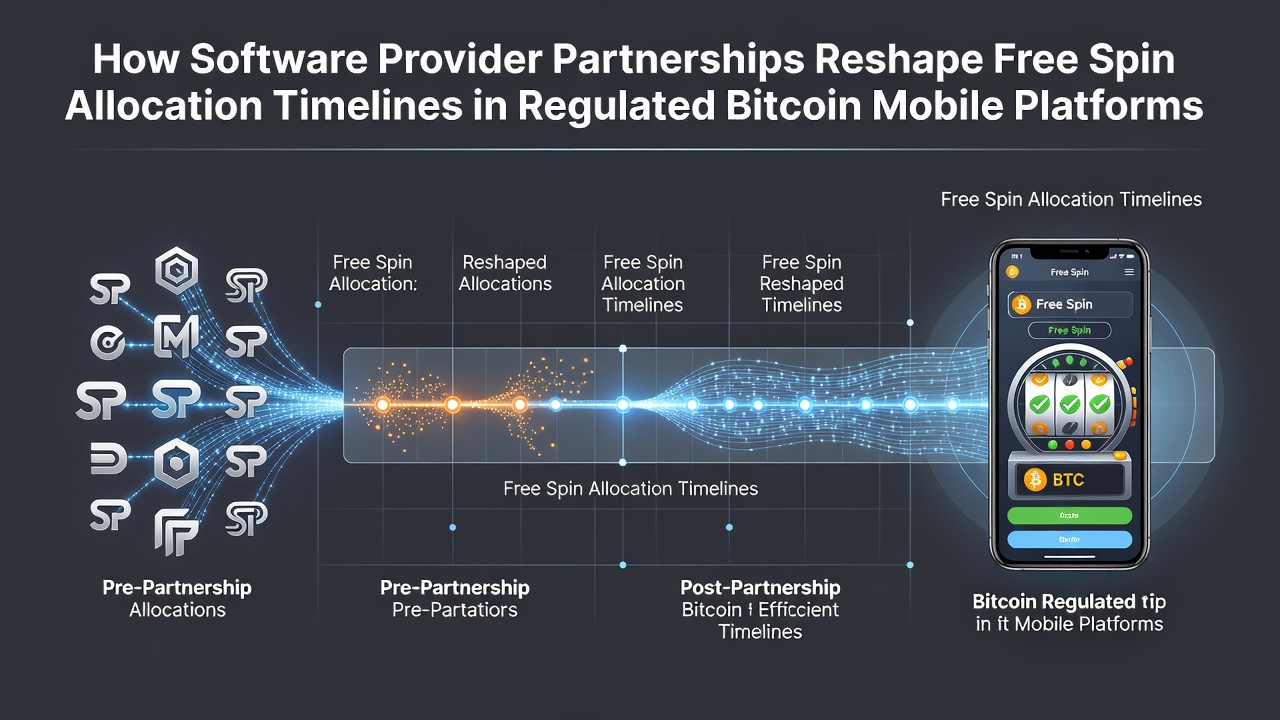
Software provider partnerships have altered how free spin allocations occur on regulated Bitcoin mobile platforms, with integration timelines shifting from days to hours in many cases since early 2025. Operators now connect directly with providers through standardized APIs that handle both fiat and cryptocurrency transactions, which reduces manual verification steps that once delayed bonus releases. Data from multiple jurisdictions shows these collaborations cut average allocation windows by 40 to 60 percent when platforms operate under licenses that permit digital asset funding.
Integration Mechanisms Behind Timeline Changes
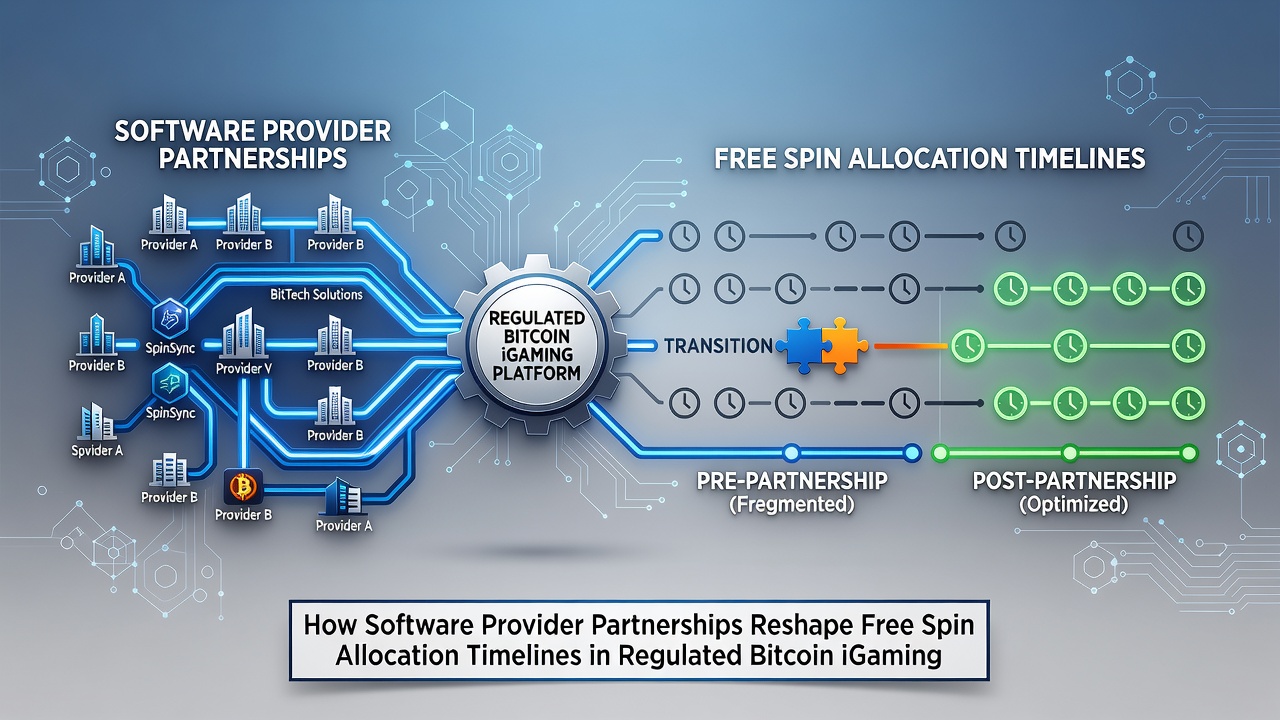
Partnerships between established game studios and Bitcoin-focused mobile operators rely on shared compliance layers that sync player verification data across systems. When a user deposits with Bitcoin, the platform routes the transaction through a provider's backend that already complies with local rules, allowing free spins to trigger automatically once the blockchain confirmation reaches a set threshold. Observers note that this setup eliminates separate approval queues that previously required staff intervention, especially in environments where regulations demand real-time monitoring of crypto inflows.
Regulatory Frameworks Influencing Speed
Regulated markets such as those overseen by the Malta Gaming Authority require operators to maintain audit trails for all bonus mechanics, yet the authority's guidelines also encourage technology that speeds legitimate player rewards. In North America, the New Jersey Division of Gaming Enforcement has published technical standards that permit automated bonus systems provided they log every allocation event for later review. These rules create conditions where partnerships thrive because providers can embed compliance checks into their software rather than forcing operators to build separate tools.
One documented case involved a European operator that partnered with a major slot developer in March 2026, resulting in free spin credits appearing in player accounts within 90 seconds of a confirmed Bitcoin deposit. Prior to the agreement, the same process averaged 18 hours because of sequential checks between the casino's wallet and the game provider's bonus engine. After integration, the unified system handled both the crypto ledger entry and the spin grant in a single workflow.
Impact on Player Acquisition and Retention Metrics
Industry reports compiled through October 2026 indicate that platforms using these partnered systems record higher first-day retention rates compared with those relying on older manual processes. The shorter timeline means players receive their free spins while the initial deposit excitement remains high, which correlates with increased session lengths according to aggregated platform analytics. Researchers tracking multiple Bitcoin mobile sites found that operators who adopted joint allocation protocols saw a measurable rise in repeat deposits within the first 48 hours after a bonus claim.
Academic analysis from gaming research centers has examined how these partnerships affect overall market dynamics. A study released in September 2026 by the University of Nevada, Las Vegas Center for Gaming Research tracked allocation data across 12 licensed platforms and determined that integrated systems reduced player drop-off during the bonus claim phase by nearly one third. The findings also showed that regulatory reporting burdens stayed consistent because the software automatically generated the required logs without additional operator input.
Technical Standards Driving Consistency
Modern partnerships emphasize standardized data formats that allow free spin parameters to transfer seamlessly between the operator's Bitcoin wallet module and the provider's game server. This includes fields for wager requirements, validity periods, and maximum win caps, all of which update in real time once the deposit clears. Platforms operating in multiple jurisdictions can apply jurisdiction-specific rules through configuration files rather than custom code, which further shortens deployment cycles for new bonus offers.
Those who have monitored these developments note that the shift also reduces discrepancies between advertised timelines and actual delivery. Before widespread partnerships, players sometimes waited longer than promised because manual reviews queued up during peak hours. Automated flows now maintain steadier performance regardless of transaction volume, a change documented in operational reports from platforms active in both European and North American markets.
Future Trajectory Through Late 2026
Continued refinement of these partnerships points toward even tighter timelines as providers incorporate predictive compliance checks that flag only high-risk transactions for human review. October 2026 data already shows several platforms achieving sub-60-second allocations for verified returning players who use established Bitcoin wallets. Regulatory bodies continue to evaluate these systems through sandbox programs that test new integration methods while preserving audit capabilities.
Conclusion
Software provider partnerships have introduced measurable efficiencies into free spin allocation on regulated Bitcoin mobile platforms by combining transaction processing with compliance functions. The resulting timeline reductions appear consistently across licensed markets that accept digital assets, supported by technical standards and regulatory frameworks that accommodate automated systems. Ongoing data collection through the end of 2026 will clarify how these changes continue to evolve alongside both technology and oversight requirements.